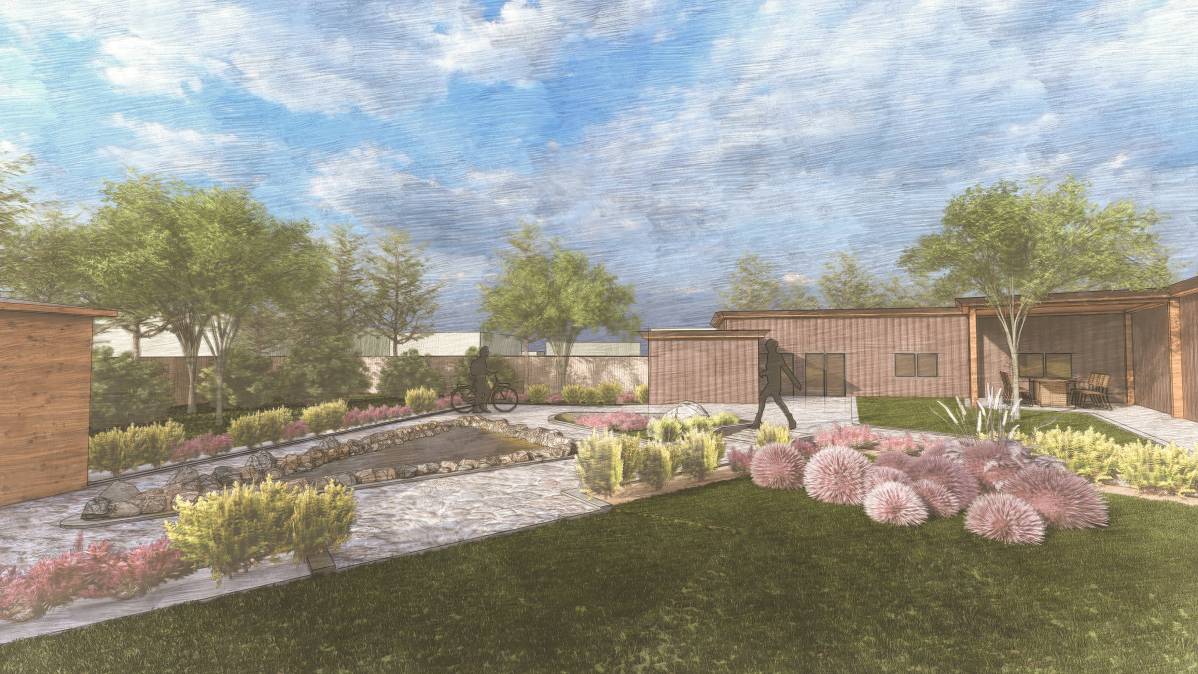
Landscape: Drought Tolerant Plants
The plants we recommend for your lawn are both ecstatic and will stay alive in harsh conditions. Our criteria are the hardiness zone of CA Zone 12 (Southern California) and the resistance to drought. There are two distinctives in these plants for their functional purposes: Agricultural and Beauty Wise.
Beauty Wise Plants:
1. California Yarrow
Aromatic, feathery fern-like leaves grow to 6 inches in height. Flat-topped clusters of flowers rise to 2 feet. Good cut flower in a meadow planting or as a lawn substitute.
2. Palmer’s Indian Marrow
A plant with masses of bright gold flowers in spring and summer. Soft velvety foliage adorns this tough shrub. Takes hot, sunny areas. Rabbits like this one, so caging young plants is recommended. Tolerates a variety of soil types but does not like frequent summer water.
3. Apricot Mallow
Great in dry garden or on a slope. Orange flowers are stunning when in full bloom. OK to cut back in fall. Excellent butterfly plant.
4. California Mountain Lilac
One of the most popular lilacs thanks to its reliability and tolerance of many conditions. Showy cobalt blue flowers. A great bloomer and looks good all year. Tolerates heavy soils. Excellent with oaks and pines.
5. Lester Rowntree Manzanita
A beautiful manzanita with blue-green leaves, red-brown bark and dark pink flowers. Perfect as a hedge for dry garden or slope. Clusters of urn-shaped flowers attract hummingbirds in winter.
6. Santa Cruz Island Ironwood
Year-round interest. Attractive bark, fern-like foliage. White flower clusters in summer, aging to orange-rust in summer. Prefers good drainage. Beautiful in groves. Rare, threatened by grazing.
7. Lupine
Very desirable for its long period of bloom, which continues from early fall to late spring. Of rather spreading habit 3 to 5 feet high with light green foliage; flowers light blue or lavender. Very valuable for covering dry slopes.
Agricultural Plants:
1. Beans
BUSH BEANS - White Half Runner Snap - BUTTER BEANS - Jackson Wonder Bush - GARBANZO BEANS – Ceci - LIMA BEANS - Alabama Black-Eyed Butter - Carolina Sieva – Christmas - Fordhook 242 Bush - Henderson Bush - Jackson Wonder - Pima Orange - Willow Le - POLE BEANS - Blue Coco - Garden of Eden Romano - Louisiana Purple Pod - McCaslan Snap – Rattlesnake - Selma Zesta - Selma Zebra - TEPARY BEANS (need warm nights) - Big Fields White - Black - Blue Speckled - Brown Speckled - Cocopah Brown - Colonia Morelos Speckled - Mitla Black – Pinacate - Sacaton Brown - Tohono O’odham White
2. Broccoli
Waltham 29 (when fall planted)
3. Chard
Almost all varieties listed in desert or dry climate catalogs
4. Corn
Anasazi Sweet - Daymon Morgan’s Kentucky - Butcher - Hopi Blue Flour - Hopi Pink - Painted Mountain Flour - Pinky Popcorn - Silver Queen Hybrid Sweet - Tennessee Red Cob
5. Cowpeas
Pink-Eye Purple-Hull (need warm nights)
6. Cucumber
Armenian - Lemon
7. Eggplant
Listada de Gandia
8. Grains
AMARANTH - Mayo - Red Stripe Leaf - Tampala - BARLEY - Ethiopian Hulless - Jet – Milan - QUINOA (all varieties) - WHEAT - Hard Red Spring - Kamut - Vaughan Turkey - White Sonoran
9. Herbs
Basil Mrs. Burns’ Lemon - Borage - Catnip - Chamomile (German) - Chives – Hyssop - Lavender - Lemon Balm - Mullein – Oregano – Rosemary - Sage (once it’s established) - Sweet Marjoram - Thyme
10. Melon
Iroquois - Navajo Yellow
11. Mustard
Southern Giant Curled (uses less water than many other cultivated vegetables)
12. Pepper
Jupiter Red Bell - Ordoño
13. Squash
Cocozelle Zucchini - Costata Romanesco - Cushaw Green (Striped) - Dark Star Zucchini - Iran - Jumbo Pink Banana - Lebanese Light Green
14. Sunflower
Skyscraper (edible seed)
15. Tomato
Caro Rich – Pearson – Pineapple - Stone - Yellow Pear Cherry
16. Watermelon
Black Diamond
Choosing native plants that are already equipped to handle the state’s drier climate is the best option to save water and to cultivate the plants easily. Native plants often need minimal irrigation once established (beyond normal rainfall) since many of them are drought-tolerant by nature.
According to the California Department of Water Resources, a garden that incorporates drought-tolerant native plants can use 85% less water every year than a traditional landscape. Also, native plants are already adapted to resist the region’s pests and diseases. Meaning that fewer pesticides and lower maintenance.
As in to conclude the subject; the plants, crops and flowers mentioned above are all cultivable in your region, affordable in water savings and maintenances, fashionable in views on different seasons.