The interactive game “Escape Room” is one of the amusement culture spaces that have recently become a huge boom in Korea, being popular between different age ranges from teenagers to adults, mainly due to rise in popularity of excavation games and the TV series ‘Sherlock’. The main objective of the game is to escape from a locked room through reasoning, finding clues, and solving puzzles to find the key to open the door within a 60 minutes’ time limit.
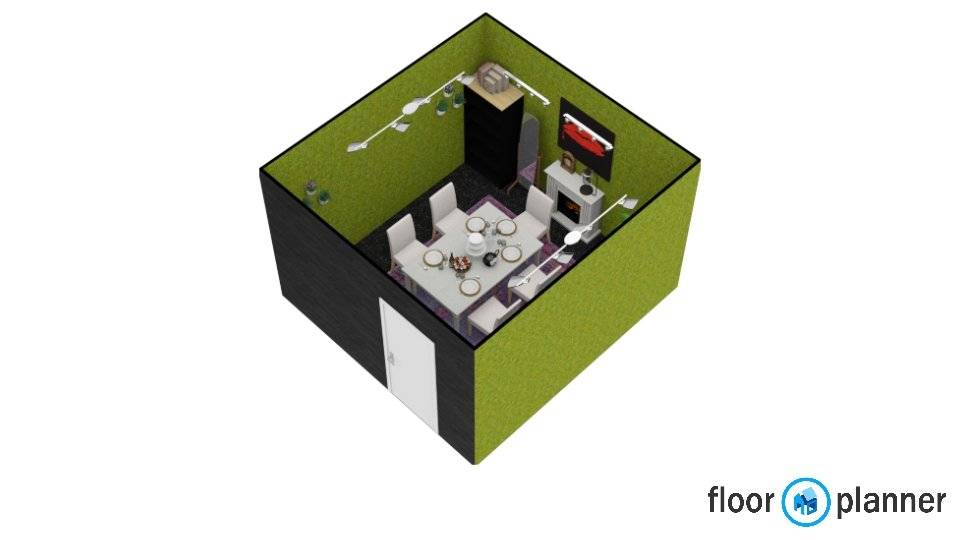
Known from the title “Welcome to Mad Hatter’s Tea Party”, the project is based on a fictional storybook “Alice in the Wonderland” by Walt Disney. I got the idea from one scene of the story where the Mad Hatter opens a tea party with his fellow mates, Alice, the rabbit, and the caterpillar. However, we have changed the part of the scene to a whole new type of mystery detective story.
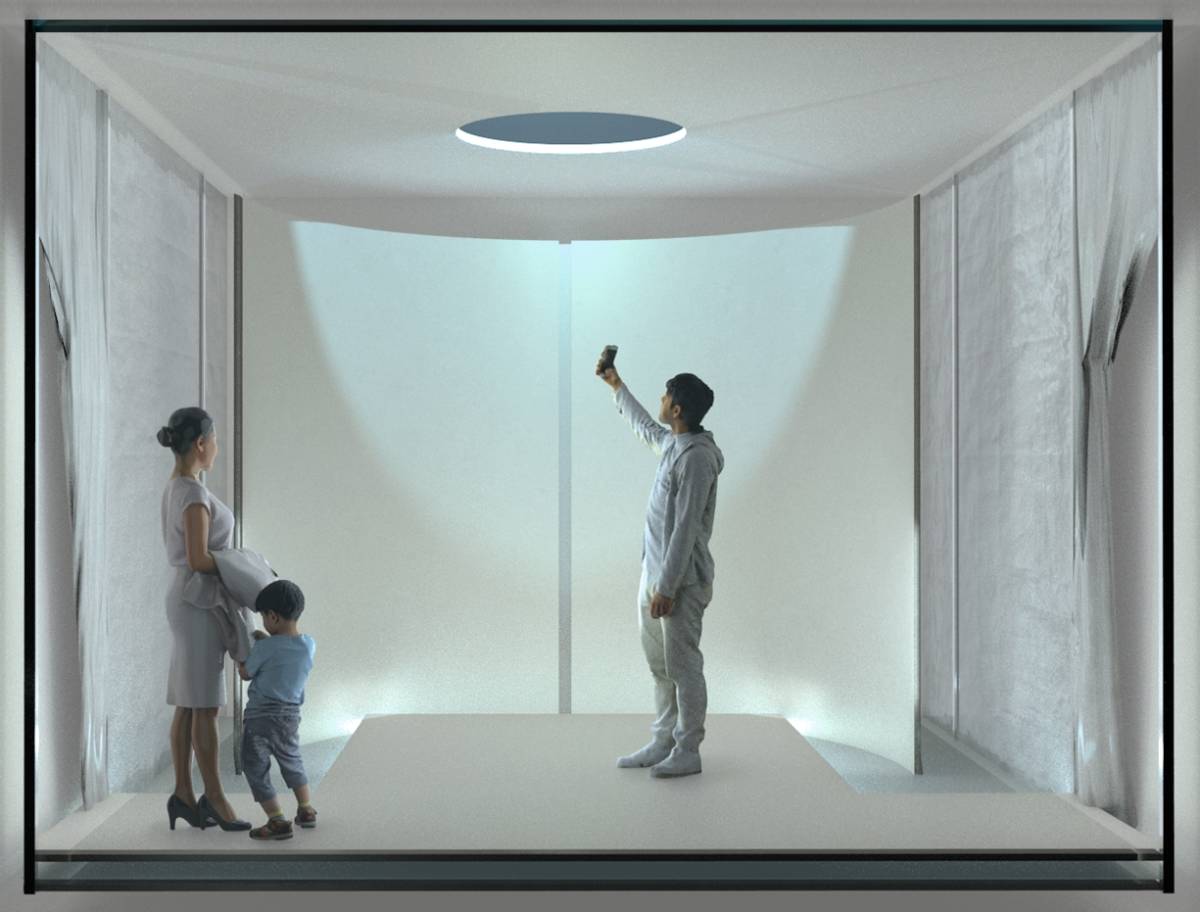
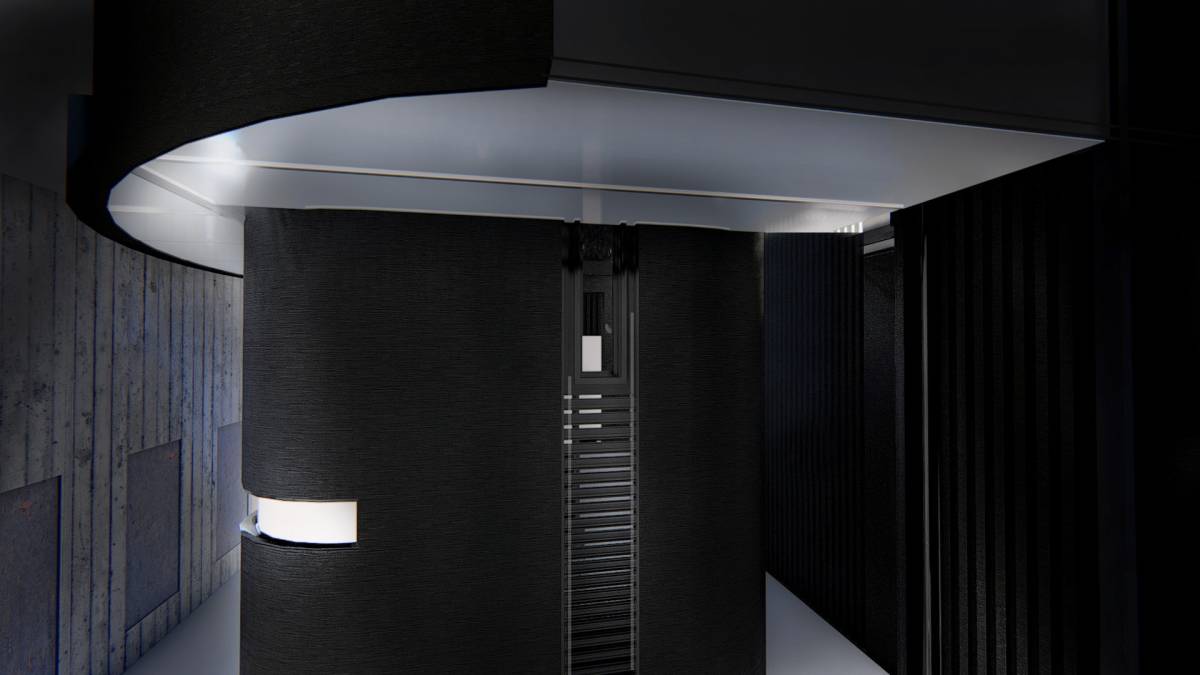
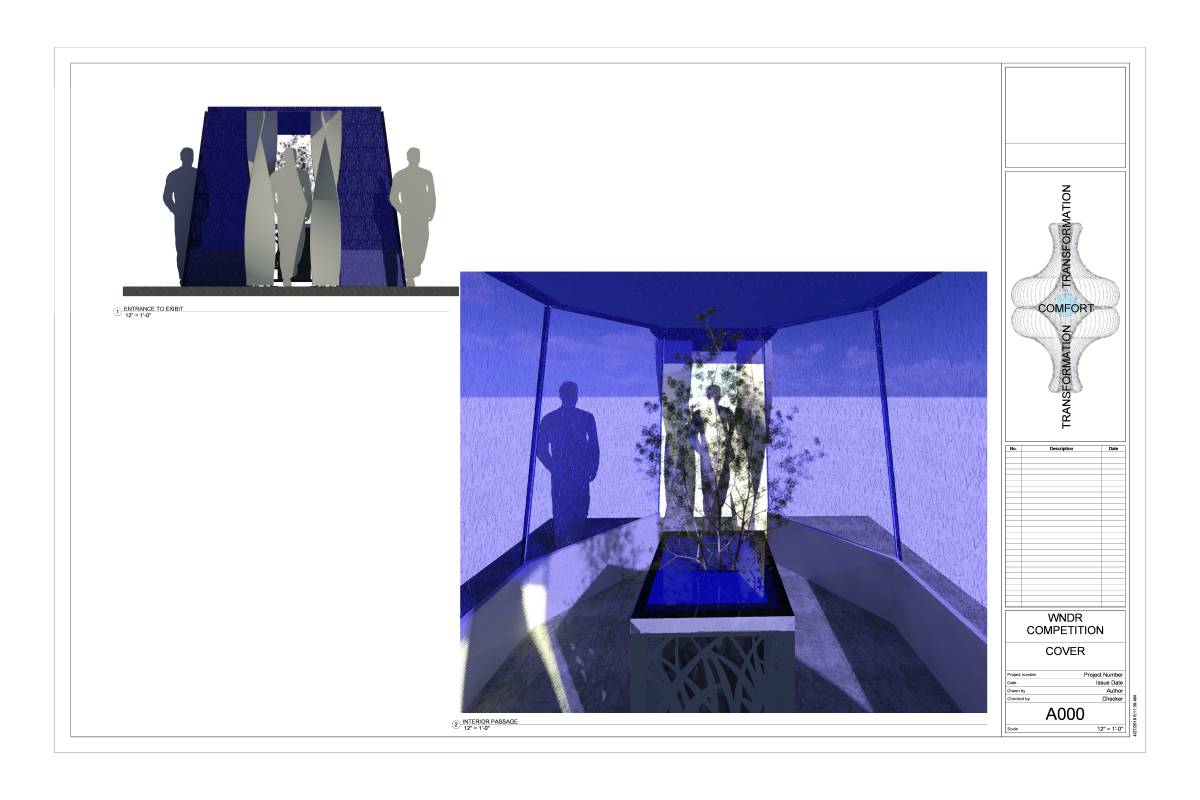
The project is not only an installation but also a piece of evidence that Escape Room is related to the science and let players engage and interact with the story, with art and science co-existent, similar to an actual escape room. The reason behind the production was that I was curious as to what are the main reasons for the popularity of the Escape Rooms in Korea, and why people easily get enthusiastic to it. I also wanted to criticize the Escape Room culture which just focuses on the aspect of fun, and find the reasons of popularity in a short time, why people can be immersed easily and be enthusiastic about solving the problems. These are focusing on the point of Escape Rooms to mirror the psychological and social aspects. I also wrote a report which includes scientific background research, process, objectives and etc.
Link: https://drive.google.com/file/d/1YDgnQO0jC7S3JYgKqUh1IIMHFdX9yVU2/view?usp=sharing
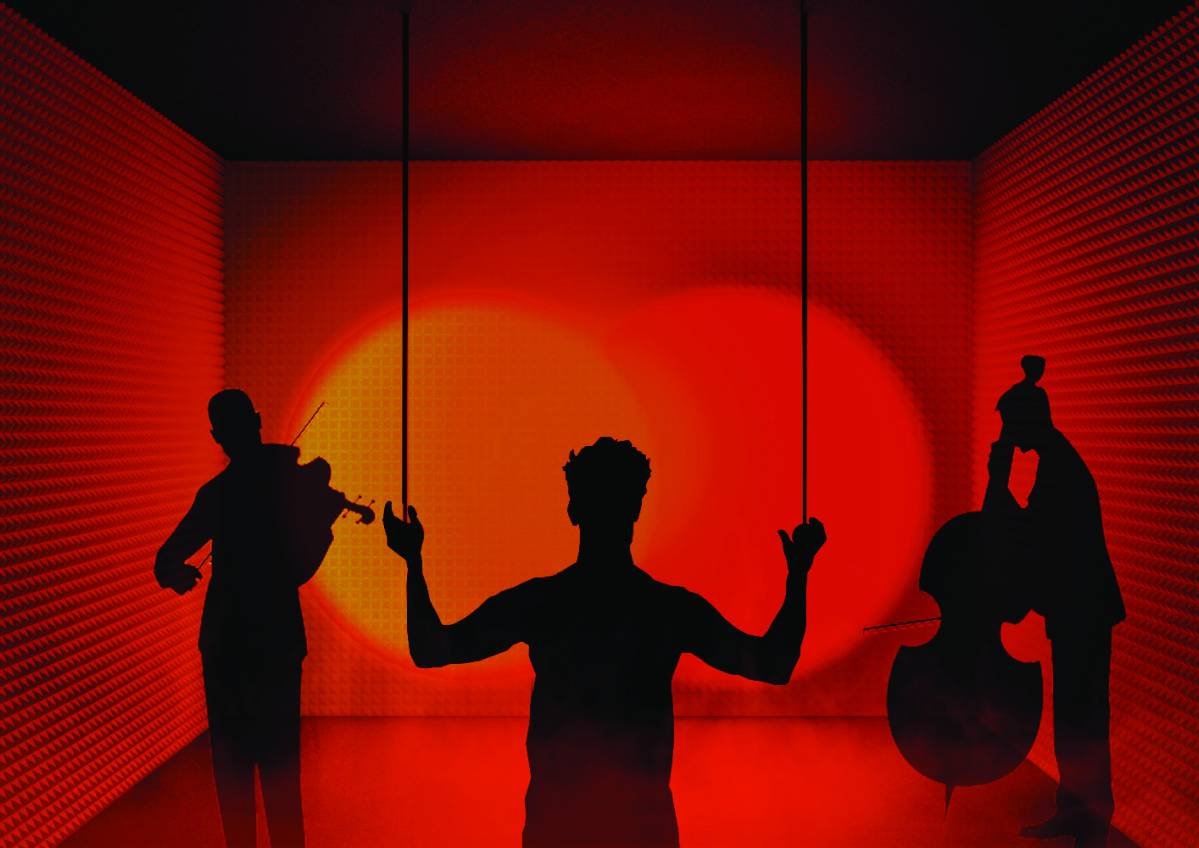
The difference between “Welcome to Mad Hatter’s Tea Party” and other Escape Rooms is that my project let the players use their natural senses more effectively. The current existing Room Escape in Korea is mainly only about using basic mathematics without much technologies to solve problems. Thus, people will easily get bored if the storyline is not interesting enough, or room installation is not extraordinary enough. In contrast, “Welcome to Mad Hatter’s Tea party” is based on the sufficient background research related to science, and also analyzation of elements that affect the immersion of players. Thus, it is a much-developed version of Escape Room. players have to use their scientific knowledge and their senses at the “Welcome to Mad Hatter’s Tea Party” to solve the clues. I used lights, sensors, scientific projects, and music to create a special atmosphere to make people fully immersed in the game.
I hope people can enjoy the game at the “Welcome to Mad Hatter’s Tea Party”, but moreover I hope this project can be a chance for people to think about how their natural instincts and unconscious thoughts lead them the way to solve problems, and also find how their performance affects the change in thought and mindset when they get out from the room.